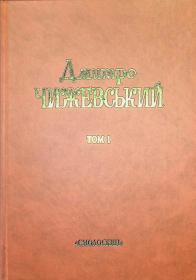
Philosophical Works in Four Volumes, Vol. 1 - Essays on the History of Philosophy in Ukraine: Kyiv, Smoloskyp, 2005, 389 p.
Keywords:
history of philosophy, History of Ukrainian philosophy, Ukrainian philosophySynopsis
In the work Outlines of the History of Philosophy in Ukraine, the author undertakes a systematic reconstruction of the development of Ukrainian philosophical thought from the adoption of Christianity to the nineteenth century. He treats the history of philosophy in Ukraine as an integral process in which specific worldview and cultural orientations take shape.
Particular attention is paid to the connection between philosophy and nationality, to the relationship between the universally human and the national in the history of philosophy, and to the characteristics of the Ukrainian national character and worldview. Chyzhevskyi traces the reception of ancient, patristic, medieval, and modern philosophy in Ukrainian culture. He also analyzes the influence of German idealism and its reinterpretation by Ukrainian thinkers.
The philosophy of Hryhorii Skovoroda occupies a central place in the work. Chyzhevskyi interprets it through the themes of self-knowledge, symbolism, dualism, the "philosophy of the heart," mystical experience, and the relationship among the human being, the world, and God. Separate chapters are devoted to Mykola Hohol, representatives of the Cyril and Methodius Brotherhood, Mykola Kostomarov, Panteleimon Kulish, Taras Shevchenko, Pamfil Yurkevych, Oleksandr Potebnia, and other figures of Ukrainian intellectual history. An important methodological principle of the study is the identification of typological features of the Ukrainian philosophical worldview, including emotionalism, individualism, the striving for inner harmony, and religiosity.
Contents
IRYNA VALIAVKO
Dmytro Chyzhevskyi's Intellectual Biography: An Attempt at a Scholarly Retrospective
VILEN HORSKYI
Dmytro Chyzhevskyi as a Historian of Philosophy of Ukraine
OUTLINES OF THE HISTORY OF PHILOSOPHY IN UKRAINE (1931)
PREFACE
- PHILOSOPHY AND NATIONALITY
- Nation and Humanity (3). The Rationalist and Romantic View of the Nation. Eternal and Temporal Values. Resolution of the Problem.
- Philosophy and Philosophies (7). Absolute Truth and Individual Philosophical Points of View.
- The Development of Philosophy (9). The Struggle of Currents, Movement Between Opposites. The Role of Nations in the Historical Development of Philosophy.
- Ukrainian Philosophy (10). Difficulties of Its Study.
- Bibliographic Notes (13).
- THE UKRAINIAN NATIONAL CHARACTER AND WORLDVIEW
- General Remarks (14). Research Methods.
- An Attempt at Characterization (15). The Psychological Makeup of the Ukrainian: Emotionalism, Individualism, Mobility. The Influence of Outstanding Historical Periods: The Princely Era and the Baroque. The Ukrainian Landscape: The Steppe. The Type of Prominent Representatives of the Ukrainian Nation: Emotionalism, Solitude, the Ideal of Inner and Outer Harmony (Peace), Religious Coloring.
- Bibliographic Notes (18).
III. PHILOSOPHY IN OLD UKRAINE
- The Adoption of Christianity (19). The Church Fathers on Ukrainian Soil. Information on Ancient Philosophy. Sermons and Didactic Literature. Libraries.
- The "Judaizers" (21). Philosophical Translations. Astrological Literature. Attempts at Philosophical Terminology.
- Philosophical Education (22). Study Abroad. Schools. Ostroh. The Kyiv Academy. The Character and Significance of Philosophical Education at the Academy.
- Philosophical Reading (25). Sources of Our Information. Ancient Philosophy. Patristics. Medieval Philosophy. Philosophy of the Renaissance and Modern Times.
- Individual Representatives of Philosophical Thought (29). A. Kurbskyi. Yan Liatos. Herasym Smotrytskyi. Ivan Vyshenskyi. Kyrylo Trankvilion Stavrovetskyi. Kasiian Sakovych. P. Mohyla. A. Zernikov. Stefan Yavorskyi. Teofan Prokopovych. Stefan Prybelovych. Ioakym Bohomolevskyi. Volodymyr Kalihraf.
- Bibliographic Notes (32).
- HRYHORII SKOVORODA
- Life (33). The Course of Life. Skovoroda's Life as an Expression of His Philosophy.
- Leading Ideas (35). Philosophy and Life. Theory and Practice. Self-Knowledge.
- Symbolism (36). Language. Images. Interpretation of the Bible. Ancient Sages. The Influence of Symbolic Literature.
- Method (38). Antithetics in Ancient and Christian Philosophy. Antithetics Among the Mystics. Skovoroda's Antithetics. The Symbol of the "Circle" in Ancient, Patristic, and Mystical Philosophy. The Symbol of the Circle in Skovoroda. The "Serpent." Antithetics and Circular Movement in Nineteenth-Century Philosophy.
- World, Matter, God (44). Dualism. The Eternity and Insignificance of Matter. Historical Parallels. God.
- Seed and Plant (48). The Symbol of Seed and Plant in Ancient, Patristic, and Mystical Thought. Seed and Plant in Skovoroda. Seed and Plant in Nineteenth-Century Philosophy.
- The "Heart" (50). The "Inner Man." The Abyss, the "Heart." The Life of the Heart.
- Deification and Abasement. "Unequal Equality" (53).
- "Know Thyself" (55). Skovoroda's Theory of Knowledge. Self-Knowledge and Knowledge of God.
- Religiosity (56). Knowledge of God. Mystical Experience. Eschatology. God as Beauty.
- Bibliographic Notes (58).
- SKOVORODA'S CONTEMPORARIES
I. Khmelnytskyi. Kh. Barsuk-Moizda. V. T. Zolotnytskyi. P. A. Sokhatskyi. Hryhorii Poletyka. Semen Hamalia. Bibliographic Notes. - ACQUAINTANCE WITH GERMAN IDEALISM
- The Extent of Acquaintance with German Idealism (62).
- Acquaintance with Kant in Ukraine (63). Translation by Ya. Ruban. Petro Lodii. Y. B. Shad. L. H. Yakob. Mykhailo Poletyka. Vasyl Dovhovych. Bibliographic Notes.
- The Influence of Fichte (65). Yohan Baptyst Shad. Life. Shad's Logic. Philosophy of Nature. Morality and Law. Philosophy of the Nation. Shad's Contemporaries and Students in Kharkiv. Bibliographic Notes.
- The Influence of Schelling and the Romantics (70). D. Kavunnyk-Velanskyi. Life and Works. Philosophy. A. I. Dubrovych. Y. Kh. Kroneberh. M. Maksymovych. K. Zelenetskyi. N. Kurliadtsev. P. S. Avsenev. Khr. Ekebliad. Bibliographic Notes.
- The Influence of Hegel (76). Orest Novitskyi. Y. H. Mikhnevych. S. S. Hohotskyi. Works. Philosophical Views. Hegelian Historians. Non-Hegelian Historians of Literature. P. Redkin. Y. Chachkovskyi.
VII. MYKOLA HOHOL (ON THE PATH TO ETERNAL BEAUTY)
- "My Task" (83). The Unity of Hohol's Worldview Throughout His Life.
- Two Travelers (86). Life as a Path. The Human Soul. Aesthetic Emotion.
- Household Management (89). Man and the World. "Service." "One's Own Place." The Individual Vocation of Man. Labor. Hohol's "Spiritual (Household)."
- "Jewelry Art" (93). "Household Management of Souls." The Beauty of the Soul. "Dead Souls." Self-Improvement. Emotional Influence on the Soul. Happiness and Misfortune. Poetry. Art. Love.
- Hymns to Heavenly Beauty (101). Love, Christ, God. God as the Source of Harmony and Beauty. God as "Heavenly Beauty."
- Bibliographic Notes (103).
VIII. THE CYRILLO-METHODIAN BROTHERHOOD
- (104). The Ideological Unity of the Cyrillo-Methodian Movement. Slavic Parallels. Main Features. Slavophilism, Romanticism, Christianity, Radicalism, Eschatology.
- "The Books of the Genesis of the Ukrainian People" (109). Christological Historiosophy. The Slavs. The "Resurrection" of Ukraine. Eschatological Moods.
- Mykola Kostomarov (113). The Influence of Romanticism. Christianity. Symbolism. Characterology of Ukrainians.
- P. O. Kulish (116). Romantic Starting Points. The Human Heart and the "External" in It. Ukraine's Past and the Present. Philosophy of Culture. The Problem of Language. The Farmstead and the Town. Ukraine and Europe. Woman and Man.
- On Shevchenko's Worldview (124). Anthropocentrism. Anthropocentric Religiosity. The Influence of D. Strauss.
- Mykola Hulak (129).
- Bibliographic Notes (130).
- Appendix. A Ukrainian as a Polish "Messianist" (131). Petro Semenenko. Life. Works.
- PAMFIL YURKEVYCH
- Life (133). Yurkevych's Fate. Life. Character.
- Idealism and Materialism (135). Critique of Materialism and Idealism.
- Plato and Kant (137). Critique of Kant. Yurkevych's "Platonism."
- The "Idea" (139). Idea and Experience. The Realization of the Idea.
- The "Philosophy of the Heart" (141). Reason and Emotion. The Significance of Emotion in Cognition, Morality, and Religion. Knowledge and Faith.
- "Heart" and "Head" (146). Emotion and the Human Personality. Critique of the Mystical and Empirical Views of the Life of the Soul. Emotionalism in Later Philosophy.
- Peace with One's Neighbors (148). Society Above the Individual. "Peace" Among People.
- Worldview and Personality (150). Yurkevych and the Ukrainian National Character.
- Bibliographic Notes (152).
- PHILOSOPHY IN THE SERVICE OF SCIENCE
- (153). Philosophy in the Second Half of the Nineteenth Century. Russian "Enlightenment." Ukraine.
- Oleksander Potebnia (154). The Person. Views on Philosophy. Works. Potebnia's School.
- Volodymyr Lesevych (156). Life and Works. Views on Philosophy.
- A. A. Spir (158).
- Klym Hankevych (159).
- Sociologists (159). I. Fedorovych. O. Stronin. L. Mechnikov. M. Tuhan-Baranovskyi.
- Marxism. Mykola Ziber (161).
- Bohdan Kistiakovskyi (161).
OUTLINES OF THE HISTORY OF PHILOSOPHY IN UKRAINE (1931)
PREFACE
- INTRODUCTION
- Problematics
- FOUNDATIONS
2. Coincidentia oppositorum
3. Κύκλος τών κύκων
4. Hieroglyphica, emblemata, symbola
5. Symbola et emblemata
6. The Bible
III. METAPHYSICS
7. Matter
8. Materia aeterna
9. Dualism
10. Αδιαιρέτως, άτρεπτως, άμερίστως, άσυνχύτως
11. God
12. Wisdom
13. The Plant as a Symbol of the Universe
- ANTHROPOLOGY
14. The Inner Man
15. The Heart
16. The Number of Symbols
17. The Abyss
18. Microcosm
19. Cognition - ETHICS
20. θεωρία
21. Rest, Peace, Sabbath
22. The World
23. (Samonpanuxenus)
24. Unequal Equality
25. Pedagogy
26. Skovoroda and Ukraine - MYSTICISM
27. Skovoroda the Mystic
28. Skovoroda the Mystical Poet
VII. TOWARD THE SOURCES OF SKOVORODA
29. Skovoroda's Preconditions
TO THE TABLES
Texts and Commentary
INDEX OF NAMES
Downloads