Аванґард і кіч. In Вперед, 31.12.2020.
Ключові слова:
масова культура, кіч, авангард, теорія мистецтваКороткий опис
Матеріал є перекладом есею Клемента Ґрінберґа. Текст складається зі вступу та чотирьох частин.
У вступі автор ставить питання про причини співіснування в межах тих самих культур авангарду як справжнього мистецтва та кічу як ерзац-мистецтва.
Перша частина розглядає ґенезу авангардної культури, від політизованого протесту проти академізму до герметичного «чистого» мистецтва.
У другі причині пояснено соціальні та економічні передумови виникнення кічу. Кіч постає як відповідь на культурний запит утвореного внаслідок індустріальної революції класу пролетарів, відчужених від народної культури і водночас не здатних сприйняти «високу» культуру.
Третя частина демонструє причини популярності кічу: легкість сприйняття та доступність образів.
У четвертій частині автор зосереджується на темі кічу як офіційної культури тоталітарних політичних режимів. Саме складність популяризації та використання для цілей пропаганди, а не критичний потенціал він вважає причиною репресій авангардного мистецтва тоталітарними лідерами.
Пер. з англ.: «Вперед»
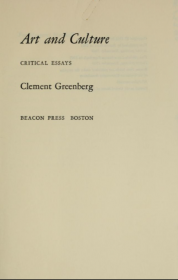
Оригінал: Clement Greenberg, “Avant-Garde and Kitsch”, in Art and Culture: Critical Essays, Boston: Beacon Press, 1989, pp. 3-21.